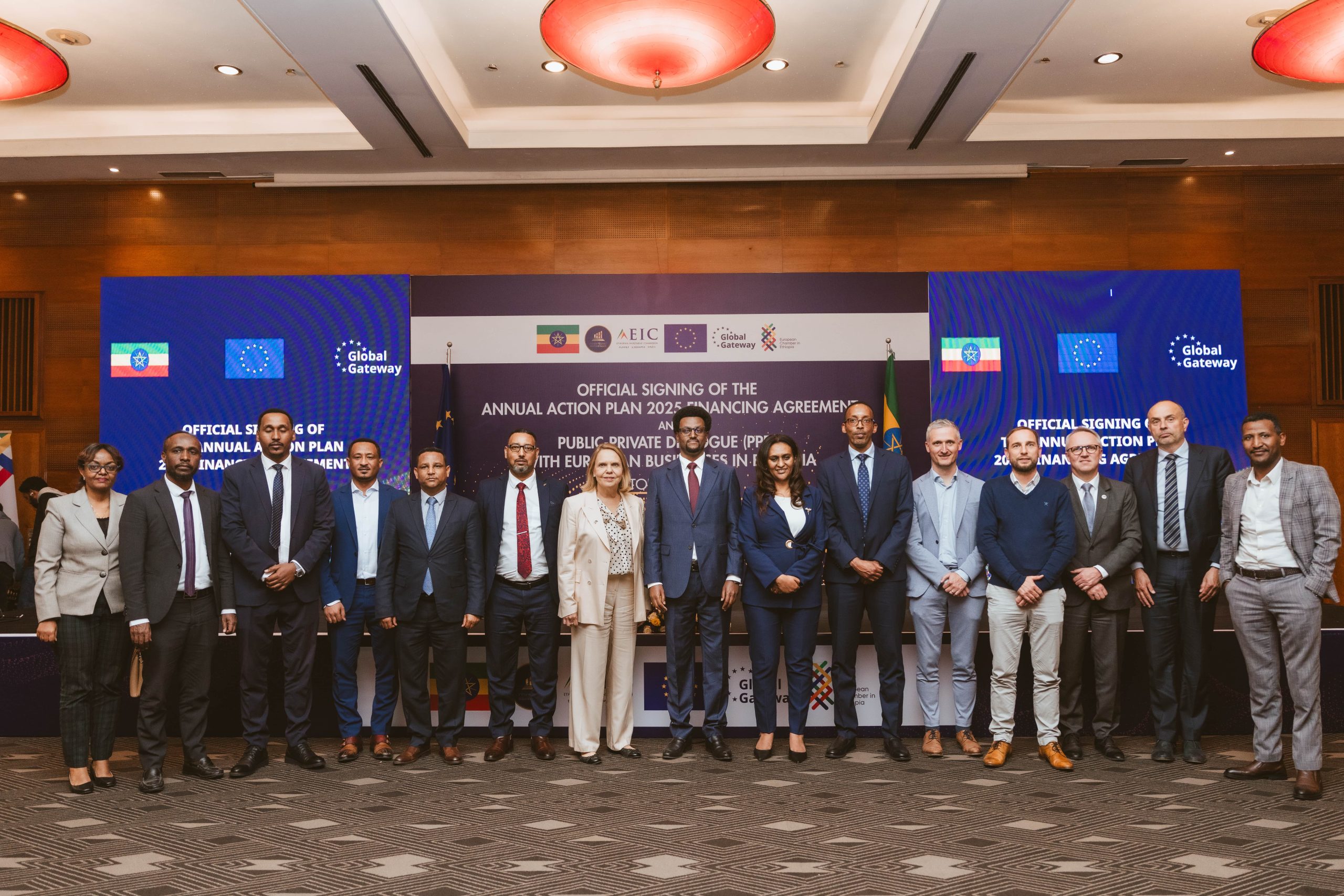

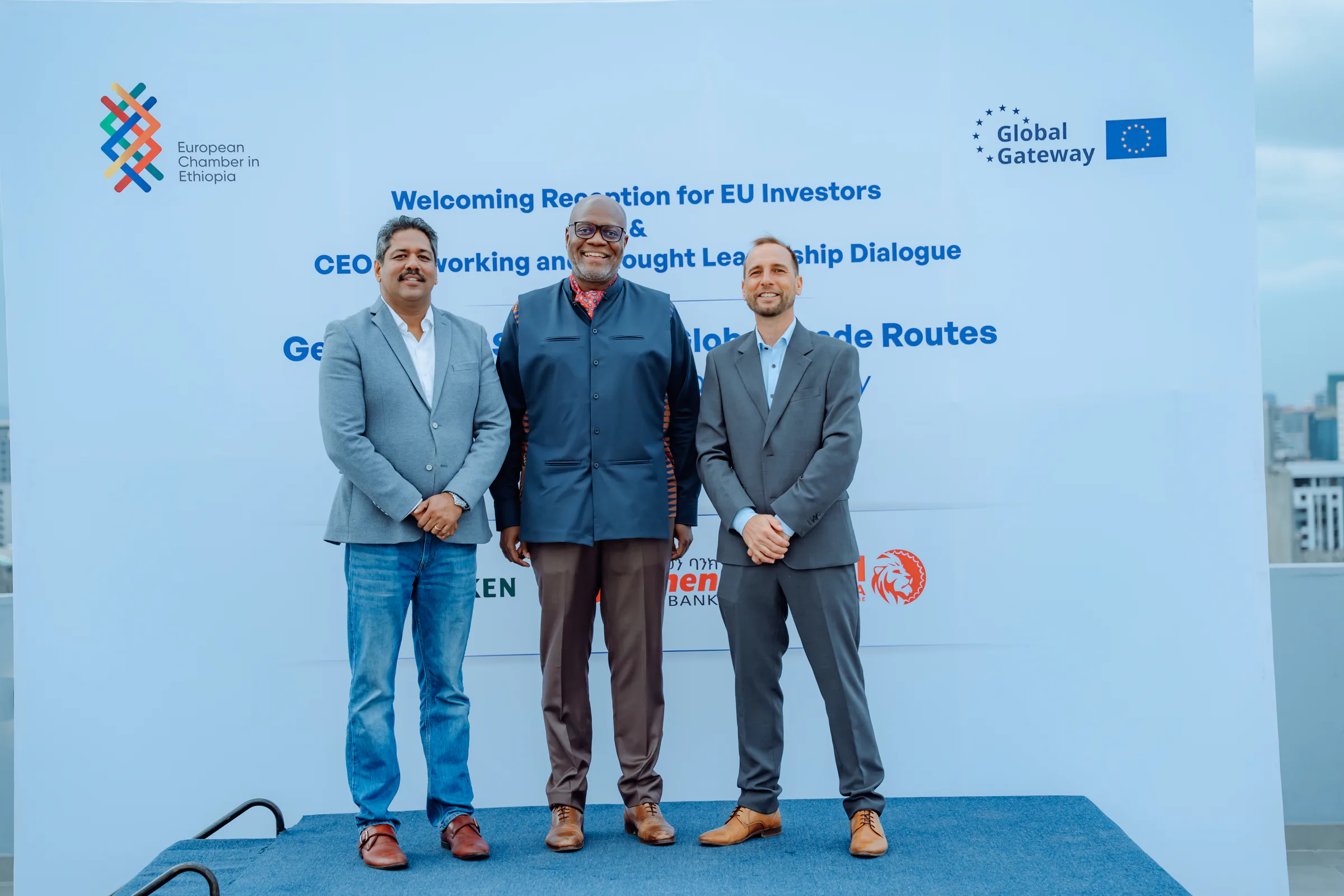
EuroCham Welcomes Investors Ahead of the EU-Ethiopia Business Forum
EuroCham hosts a welcoming reception and CEO networking event for EU investors ahead of the EU–Ethiopia Business Forum, with discussions on global trade routes and their implications for doing business in Ethiopia.
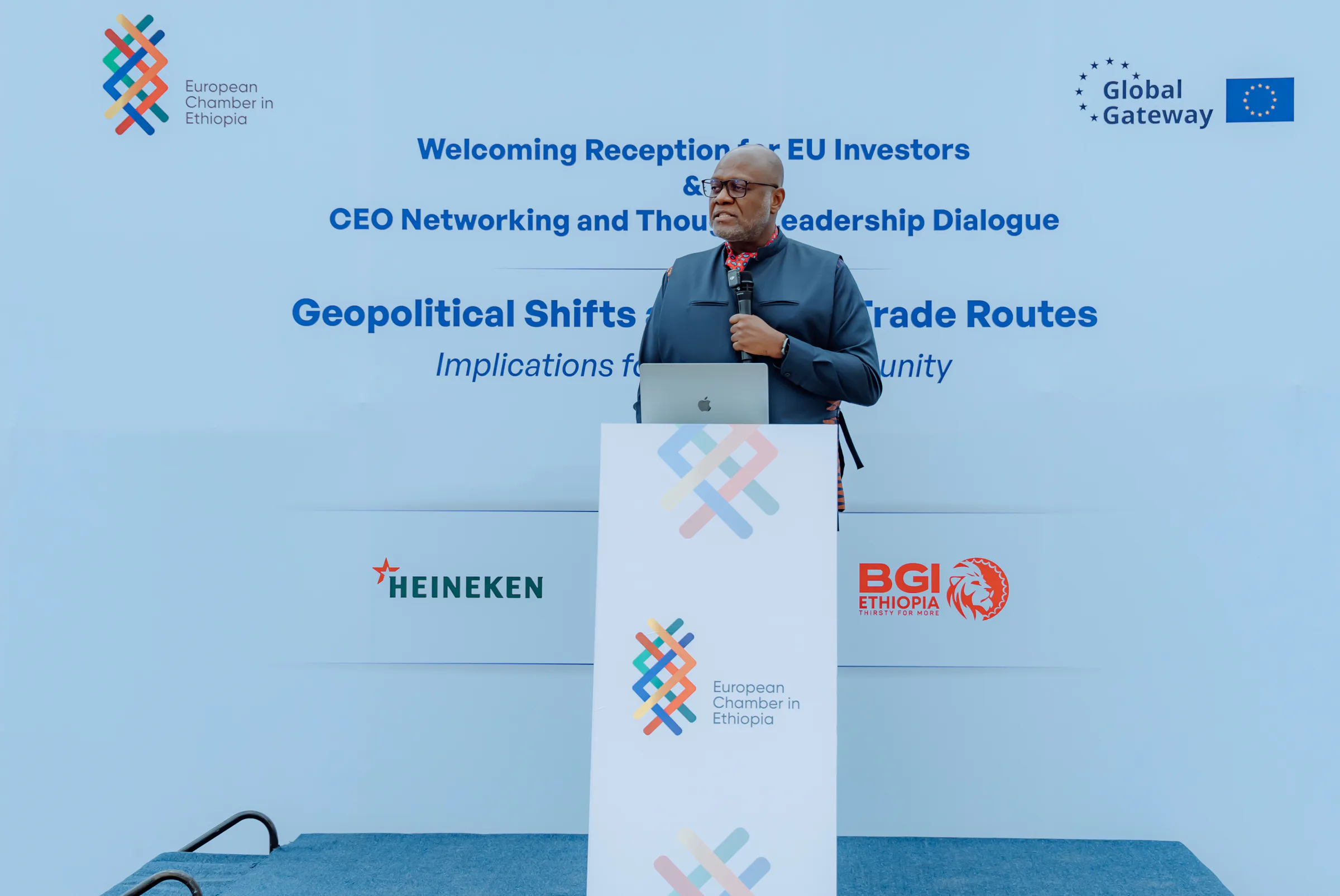
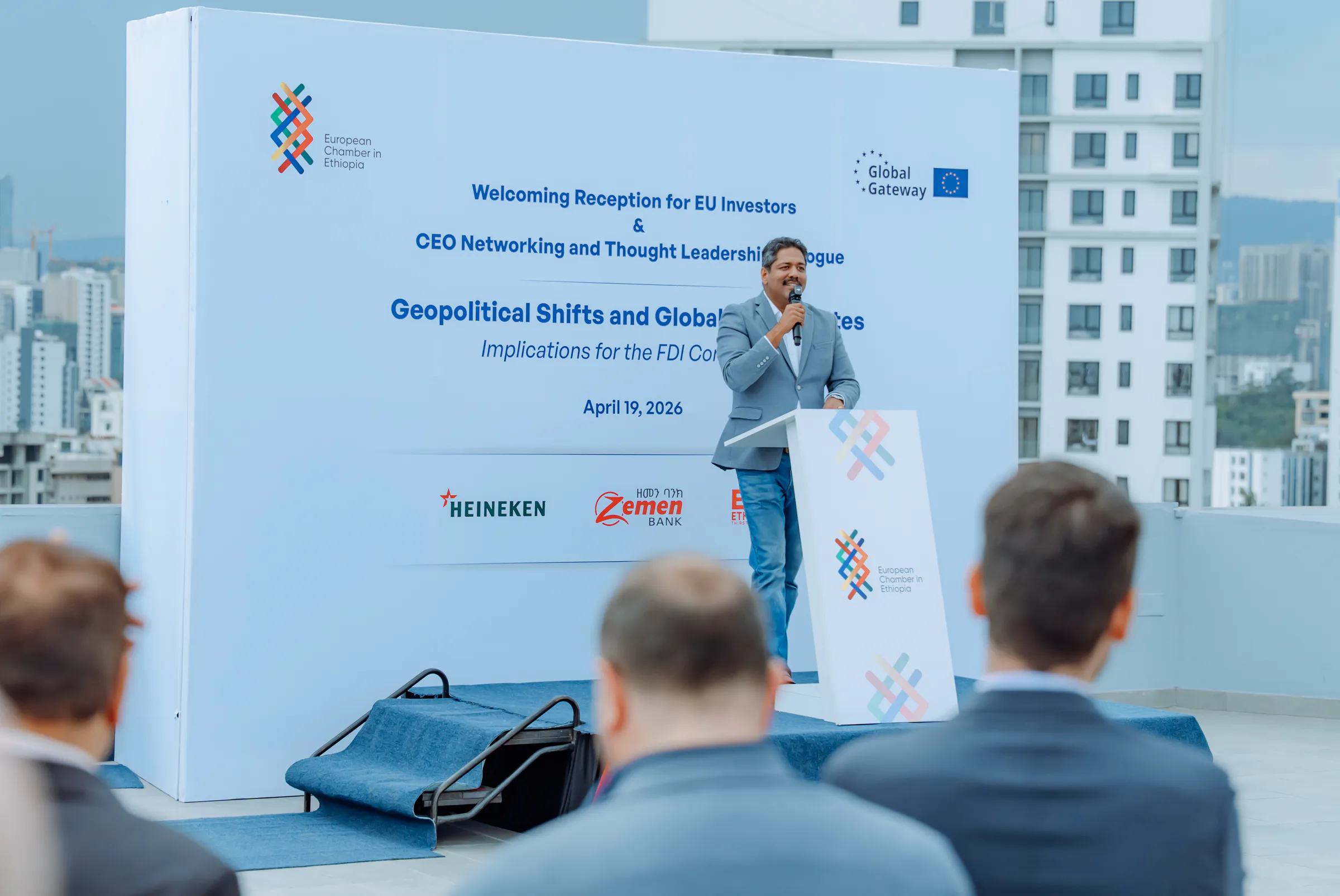
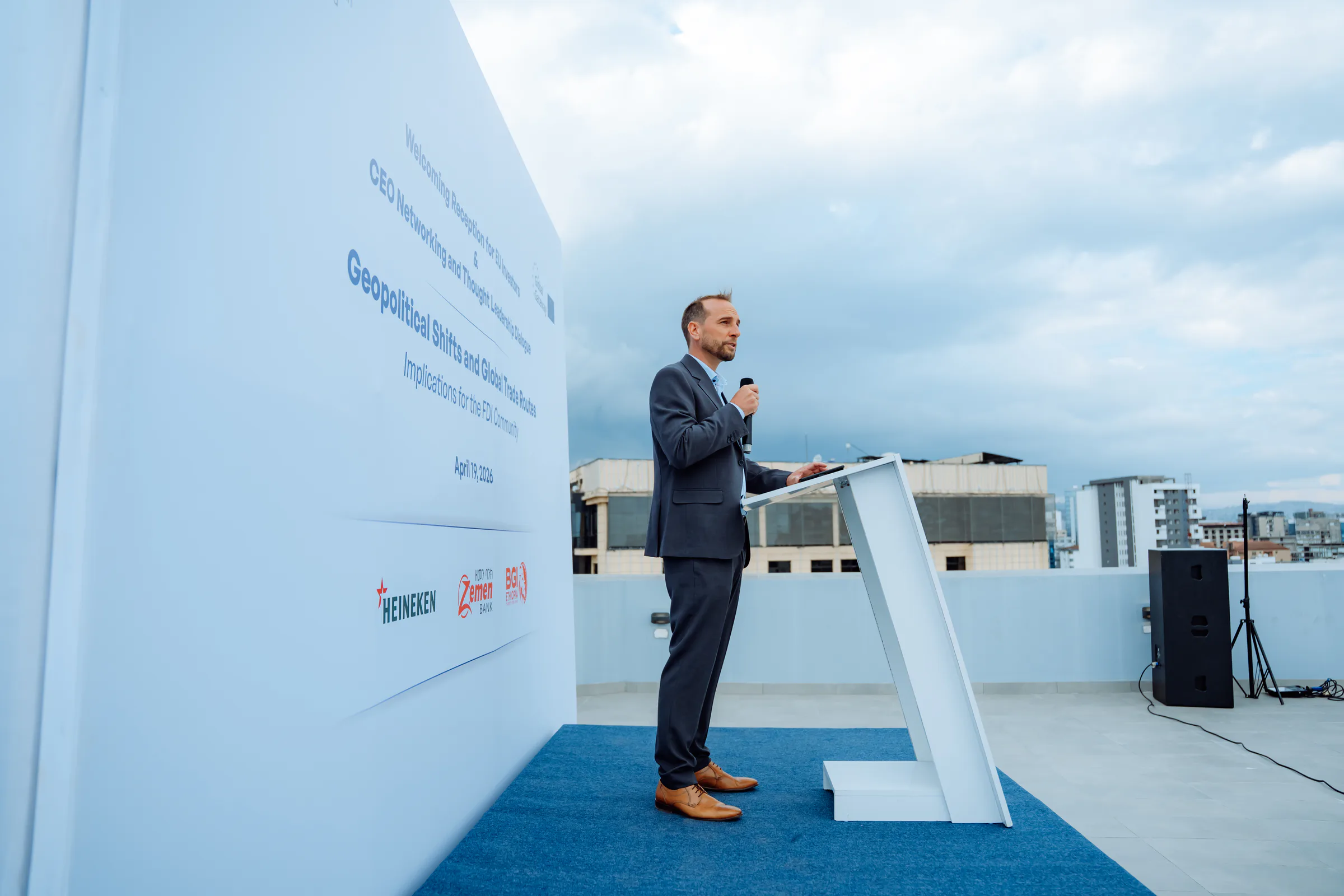
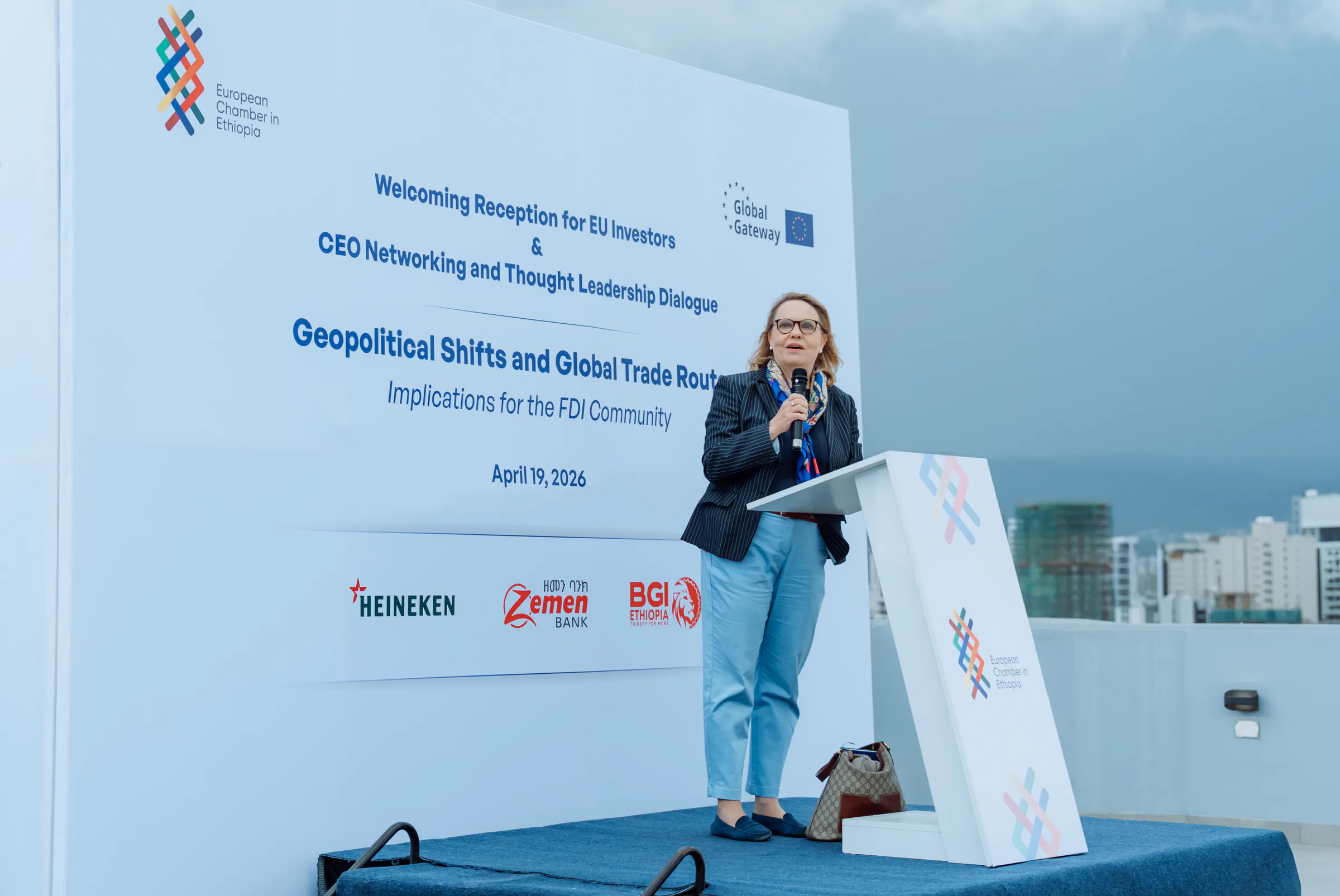
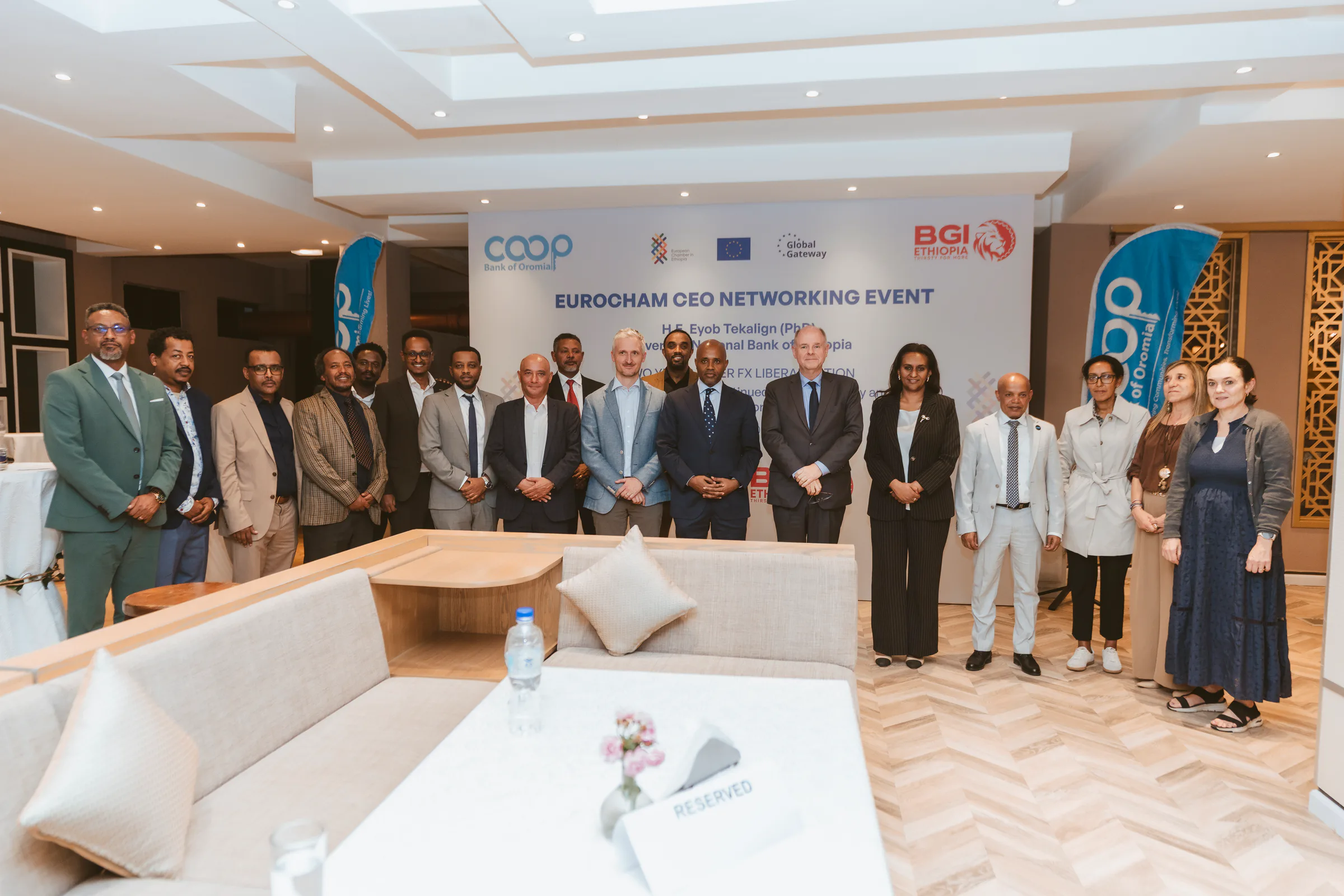
The European Chamber in Ethiopia opened the EU–Ethiopia Business Forum week with a closed-door reception at its office in Addis Abeba on April 19, 2026. The Chamber hosted European investors arriving for the Forum scheduled for April 21-22 and convened a CEO-level discussion on geopolitical shifts and global trade routes linked to the Strait of Hormuz. The program focused on how evolving conditions in key maritime corridors influence trade flows, logistics planning, and investment decisions.
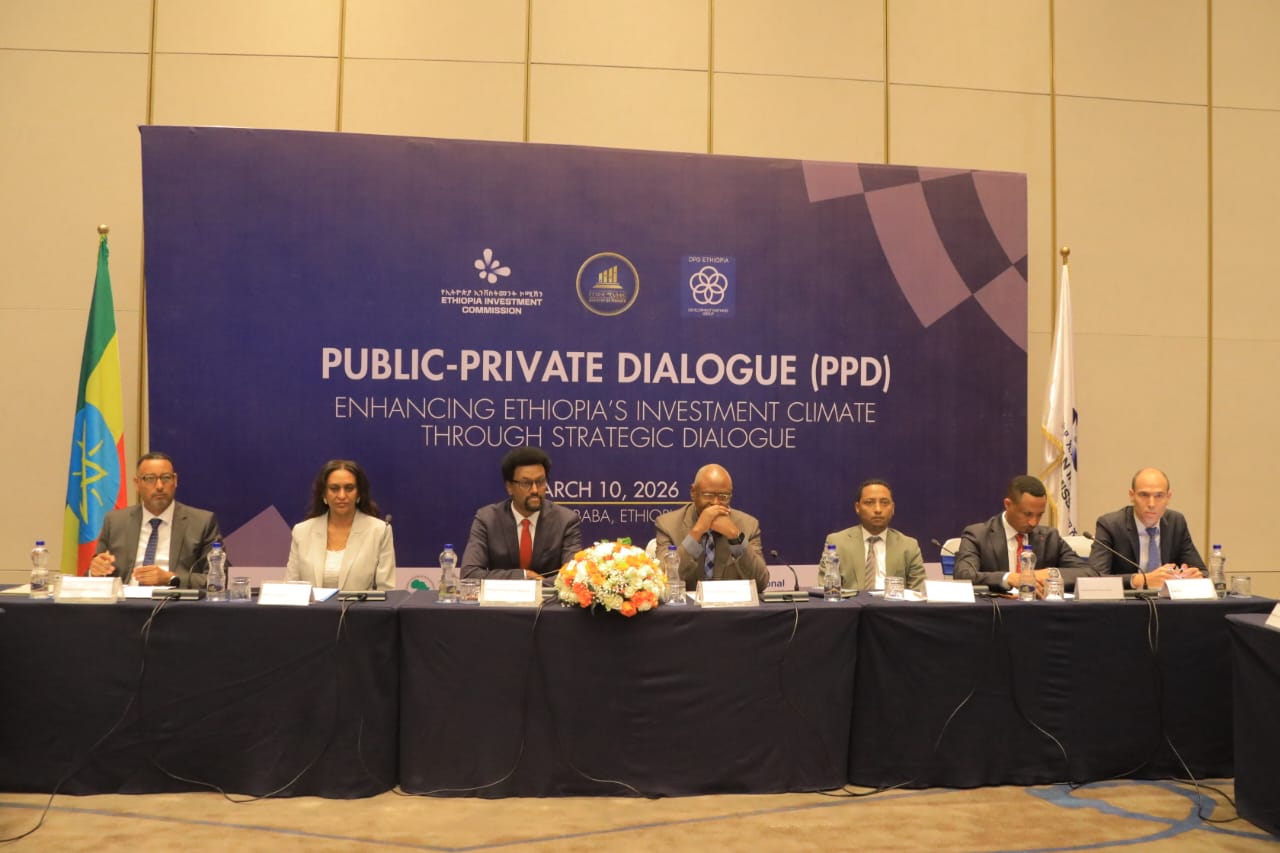
Welcoming EU investors, H.E. Sofie From-Emmesberger, EU Ambassador to Ethiopia, outlined ongoing engagement between European companies and Ethiopian authorities through structured public–private dialogue platforms that register business constraints, track progress, and consolidate proposed solutions. She referenced continued coordination under the European Union’s Global Gateway framework, which directs investment toward infrastructure, energy, and private sector development, and highlighted the role of European firms already operating in Ethiopia in contributing to government revenue, employment, and technology transfer while maintaining active participation in policy discussions with national institutions.
The event featured two technical briefings. Paul-Simon Handy, Regional Director for East Africa and Representative to the African Union at the Institute for Security Studies, delivered a geopolitical assessment of global trade developments. Soji Thomas, Managing Director of Mediterranean Shipping Company Ethiopia, presented operational data from international shipping networks.
Dr. Paul-Simon Handy placed current trade developments within a broader shift in global power dynamics. The pandemic, the war in Ukraine, and strategic competition between major economies have altered how supply chains operate. What now defines the structure of geopolitical competition is described as control over trade corridors, energy flows, and strategic resources. The Strait of Hormuz and the Bab el-Mandeb, two critical chokepoints in global trade, were highlighted as major parts of this shift with a significant share of oil shipments, fertilizer inputs, and container traffic passing through them. Changes along these corridors move directly into pricing, availability, and delivery timelines across multiple sectors.
Within this context, the Horn of Africa presents a layered risk environment. Sudan, Somalia, and South Sudan remain active conflict zones, while interstate tensions persist between Ethiopia, Eritrea, and Egypt. External geopolitical pressure intersects with these conditions and shapes the operating environment for investors.
Gulf states maintain a strong presence across the region. The United Arab Emirates, Saudi Arabia, and Qatar hold investment positions in infrastructure and security, largely through bilateral arrangements. These engagements reflect competition among external actors rather than coordinated regional strategies.
Djibouti hosts a concentration of foreign military bases, reinforcing its strategic position along global shipping routes, while Turkey continues to expand its economic and diplomatic footprint across the Horn. Governments in the region manage these relationships through agreements linked to infrastructure development and security priorities.
Dr. Paul-Simon Handy noted that potential escalation in the Middle East has introduced additional variables. Prolonged conflict in Iran would place pressure on the Bab el-Mandeb corridor, affecting Suez-bound traffic and increasing shipping costs. Rerouting would extend transit times and raise exposure to piracy risks in the Gulf of Aden.
Soji Thomas, Managing Director of MSC Ethiopia, translated these developments into operational terms. Modern supply chains rely on inputs sourced from multiple countries before final production, which means disruption in a single corridor affects the movement of goods across several regions.
Insurance costs have shifted accordingly. War-risk premiums, once marginal, now represent a significant component of voyage costs. A vessel valued at approximately $120 million may incur insurance charges exceeding one million dollars per voyage, depending on route exposure.
In terms of freight rates, container costs between Asia and Gulf ports have increased several times above pre-crisis levels, driven by rerouting decisions and higher risk exposure across maritime corridors.
Coverage structures have also changed. Insurance policies now focus on short-duration transit windows through high-risk zones rather than long-term coverage. This shift alters how shipping companies plan routes and manage financial risk.
Logistics providers have adjusted their operations in response. Cargo moves through alternative ports in Saudi Arabia, while multimodal transport systems integrate maritime, rail, and road networks. Some routes extend through Turkey to reach Gulf markets. Each adjustment adds cost and extends delivery timelines.
In commodity markets, global LNG supply has declined, while oil, gas, and fertilizer prices have increased. International financial institutions project continued pressure on these markets as infrastructure remains constrained and supply chains adjust to new routing patterns.
Participants examined Ethiopia’s exposure to these developments. The discussion noted that Ethiopia imports most of its energy from the Gulf. It also depends on fertilizer supplies from the same region. Changes in pricing and availability affect transport costs, agricultural inputs, and industrial operations.
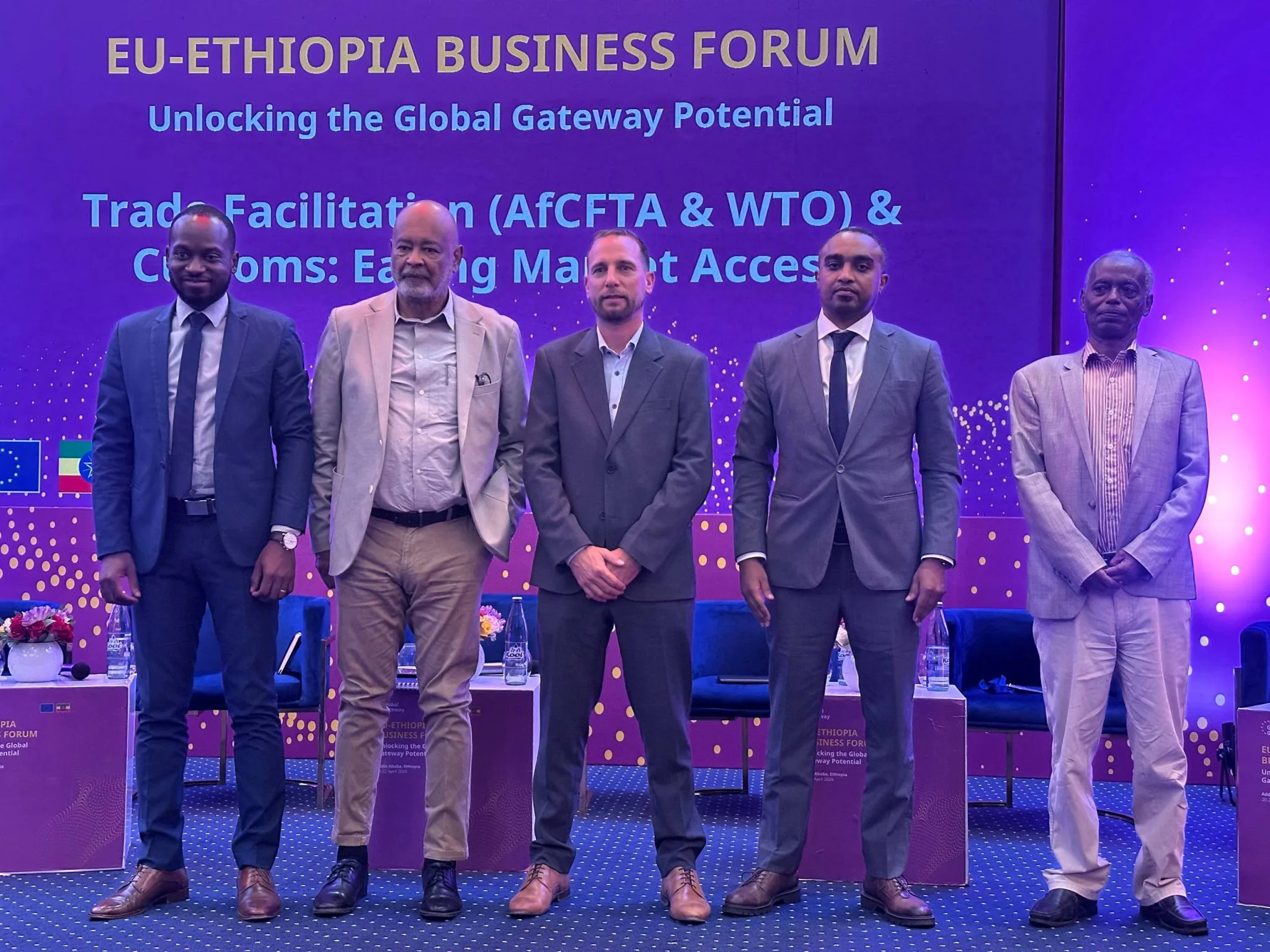
Through the pre-forum reception, EuroCham facilitated engagement between incoming investors and companies operating in Ethiopia. The reception set the context for the Europe–Ethiopia Business Forum, which opened on April 20, 2026 in Addis Abeba. The Forum program covered energy, infrastructure, digital systems, and agriculture, with participation from European investors and Ethiopian institutions.